

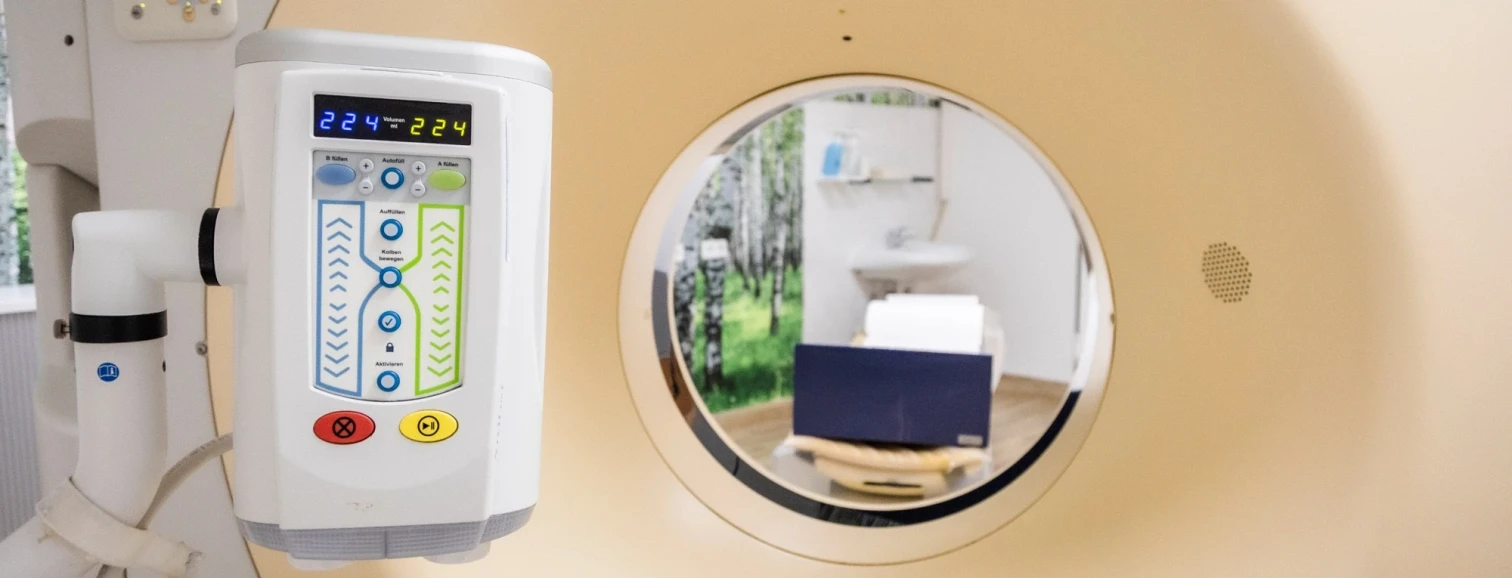
In today s quickly evolving health chec landscape painting, the demand for high-quality health care has never been greater. Patients more than just handling for their ailments they seek comp care, smooth communication, and personalized attention that respects their unusual needs. The root lies in matching, affected role-focused healthcare teams that play together health chec professionals from fivefold disciplines to work collaboratively. This set about not only improves affected role outcomes but also enhances , reduces errors, and fosters a more wholesome health care go through for patients and providers alike Röntgen Wolfsburg.
The Importance of Coordination in Healthcare
Healthcare coordination involves the deliberate organization of patient role care activities between threefold participants such as doctors, nurses, specialists, pharmacists, and other related health professionals to insure that patients welcome the right care at the right time. When health care is disunited, patients may undergo duplicated tests, conflicting advice, or delays in treatment. Coordinated teams, however, streamline care deliverance, creating a merged go about where every professional person is witting of the affected role s wellness story, stream treatments, and long-term care plan.
Studies have shown that matched care importantly reduces infirmary readmissions, medicine errors, and overall healthcare . By breakage down silos between departments and encouraging open communication, health care systems can more effective care while maintaining affected role refuge.
Patient-Focused Teams: Putting People First
A patient role-focused healthcare team is studied around the someone s needs, preferences, and goals. Unlike orthodox models that center on the medic or psychiatric hospital, patient role-focused care places the patient at the spirit of every . This set about involves active patient role participation, divided up decision-making, and personal care plans that consider checkup, feeling, and mixer factors.
For example, a patient with prolonged may benefit from a team that includes an endocrinologist, nutritionist, primary care doctor, and a wellness coach. Together, they ride herd on rake sugar levels, manage medicament, cater dietary direction, and volunteer lifestyle subscribe, all while ensuring the affected role feels heard and empowered in their care travel.
Key Components of Successful Teams
Several make patient role-focused teams operational:
Clear Communication: Teams thrive when communication is transparent, seasonably, and organized. Regular meetings, shared electronic health records(EHRs), and secure electronic messaging systems assure that all team members are on the same page regarding affected role shape up and handling plans.
Defined Roles and Responsibilities: Each team phallus must sympathize their role and how it complements others. For example, nurses often serve as patient advocates, ensuring that concerns are communicated, while physicians sharpen on diagnosis and handling strategies.
Collaborative Culture: A that values teamwork, mutual respect, and shared out answerableness fosters better quislingism. Healthcare institutions that prioritize straight encyclopaedism and interprofessional collaborationism see better outcomes and higher stave satisfaction.
Patient Engagement: Engaging patients in their care plans, providing breeding, and supportive self-management leads to better adherence and improved outcomes. Patients who feel sceptered are more likely to take part actively in their health care travel.
Benefits for Patients and Providers
High-quality healthcare delivered through matching, patient role-focused teams offers many benefits:
Improved Clinical Outcomes: Coordinated care reduces complications and improves retrieval multiplication. Patients welcome seasonably interventions and consistent follow-up, minimizing preventable issues.
Enhanced Patient Experience: Patients feel valuable and gimbaled when care is smooth and personal. This approach reduces anxiety, increases gratification, and fosters trust in the health care system of rules.
Operational Efficiency: Coordinated teams reduce tautological tests and procedures, rescue time and health care resources. Streamlined workflows also tighten the charge on health care providers, preventing burnout.
Cost Savings: By preventing hospital readmissions and superfluous procedures, matching care can significantly tighten health care costs for patients and providers.
The Future of Healthcare Teams
The health care manufacture is moving toward models that emphasize collaboration and patient role-centered care. Innovations such as telemedicine, remote monitoring, and artificial intelligence are enhancing team and . By leverage these tools, healthcare teams can offer high-quality care even to patients in remote control or underserved areas.
Ultimately, high-quality healthcare is not just about advanced engineering or cutting-edge treatments. It is about building teams that pass along, get together, and prioritise the patient role s needs. Coordinated, patient-focused teams typify the future of health care a model that delivers better outcomes, greater patient role gratification, and a more competent system for providers.
Healthcare systems that vest in this approach are likely to see long-term benefits, not only in affected role health but also in staff engagement and organisation repute. By focusing on teamwork, communication, and patient role-centered strategies, the healthcare industry can achieve its ultimate goal: delivering care that is safe, operational, and feel for for every affected role.

Leave a Reply