

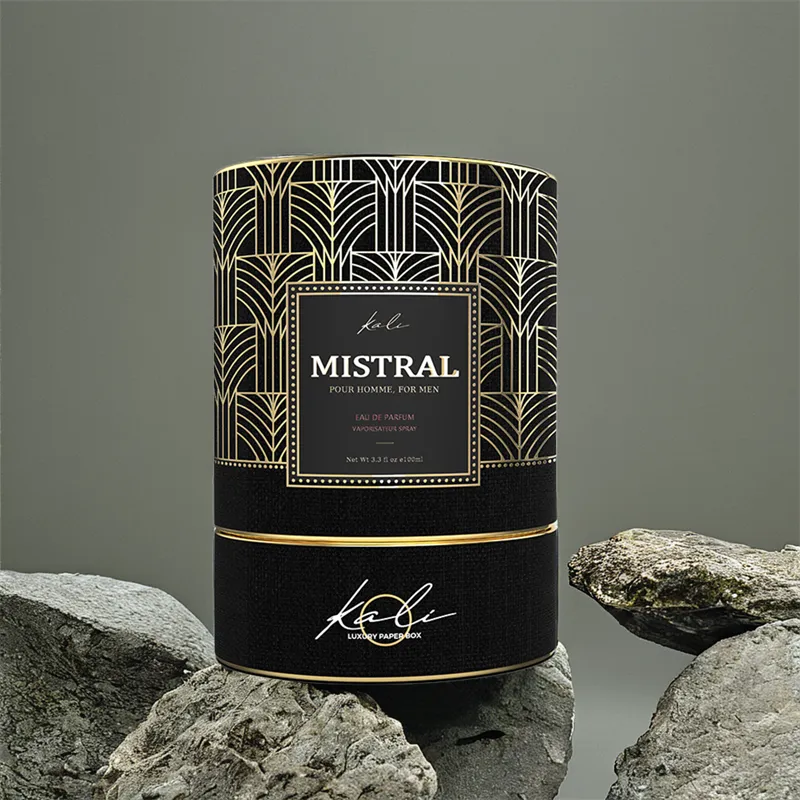
The logo placement on your perfume packaging functions like a signature on a masterpiece—it should be immediately recognizable yet harmonize with the overall design. Luxury brands often employ foil stamping in gold or silver to create depth and reflect light differently than printed ink. This tactile quality subconsciously signals premium positioning before the customer ever touches the bottle. The space surrounding your logo matters equally—adequate clear space prevents visual clutter that might dilute brand impact in crowded retail environments.
Contemporary brands are innovating with logo presentation—Gucci's recent releases feature interlocking G's debossed into the box material, creating shadow play that changes with viewing angle. This level of detail transforms packaging from mere container to collectible artifact, justifying premium pricing through craftsmanship that digital renderings can't fully convey.
Consumers navigate fragrance families—Eau de Parfum, Eau de Toilette, and Eau de Cologne—with specific expectations about concentration and longevity. Clear classification printed in hierarchical typography (typically 2-3 point sizes smaller than the fragrance name) prevents post-purchase disappointment while maintaining elegant design. The concentration difference matters commercially—EDP versions often command 20-30% higher price points than their EDT counterparts for the same fragrance, making proper labeling crucial for perceived value alignment.
| Concentration Type | Fragrance Oil Percentage | Typical Longevity | Price Premium |
|---|---|---|---|
| Eau de Parfum (EDP) | 15-20% | 6-8 hours | 20-30% |
| Eau de Toilette (EDT) | 5-15% | 3-5 hours | Base price |
| Eau de Cologne (EDC) | 2-4% | 1-2 hours | 15-20% less |
Net content declarations serve legal requirements but can be designed to enhance rather than detract from luxury aesthetics. The European "e" mark (for moyenne quantité) should appear adjacent to the milliliter measurement, typically in the lower third of the primary display panel. Smart brands mirror this information on the box top or spine for easy visibility when products are stacked—a detail that pleases both regulators and retail staff. The packaging design must balance these mandatory elements with brand storytelling, transforming compliance into an integrated design feature rather than an afterthought.
Ingredient lists present another opportunity for transparent communication. Listing components in descending order of concentration builds trust with increasingly savvy consumers. Allergen labeling (required under EU regulations) can be tactfully handled through subtle typographic differentiation—perhaps a slightly bolder weight for restricted substances like limonene or citronellol. Some progressive brands now include QR codes linking to detailed ingredient stories, satisfying regulatory needs while deepening brand engagement.
Safety warnings require careful placement—not hidden, yet not disruptive to the design narrative. The international flame symbol (minimum 5mm height) paired with concise phrasing ("Keep away from fire") meets global standards. Luxury brands often render these elements in metallic inks matching other design accents, maintaining aesthetic cohesion while fulfilling legal obligations—proof that compliance and beauty needn't be mutually exclusive.
The humble barcode holds surprising strategic importance. Positioned optimally on lower back panels (never under flaps), a crisp UPC or EAN-13 symbol ensures smooth retail integration worldwide. Batch codes printed alongside—whether via inkjet during production or laser etching—enable precise inventory control and quality tracking. Savvy brands now leverage these codes for post-purchase engagement, inviting customers to register products for authenticity verification or replenishment reminders.
Manufacturing and best-before dates represent an underutilized trust-building tool. While fine fragrances don't truly expire, printing both dates (MFG/BBE in year-month format) demonstrates quality commitment. Luxury consumers appreciate this transparency—it signals respect for their investment while helping retailers manage stock rotation effectively.
"Made in France" or "Crafted in Italy" markings continue to command premium positioning, but modern regulations demand precise origin declarations. The font size (minimum 1.2mm height in many markets) and placement (near volume statements or barcodes) must comply with local laws while maintaining design integrity. Some brands creatively incorporate origin markers into decorative elements—a fleur-de-lis watermark for French products or miniature colosseum illustrations for Italian creations.
Sustainability certifications have evolved from nice-to-have to necessity in luxury fragrance. The FSC logo for responsibly sourced paperboard, recycling symbols, and cruelty-free badges should be rendered in monochrome to preserve aesthetic harmony. Forward-thinking brands now highlight eco-innovations like soy-based inks or carbon-neutral production processes directly on secondary packaging—details that resonate strongly with younger luxury consumers. The box of perfume thus becomes both environmental statement and brand differentiator in increasingly conscious markets.
Emerging technologies are reshaping perfume packaging possibilities. NFC chips embedded in boxes enable authentication and interactive experiences—tap your phone to learn about the perfumer's inspiration or access exclusive content. Augmented reality triggers transform static packaging into dynamic storytelling platforms. While these innovations require careful integration to maintain luxury feel, they represent the next frontier in bridging physical packaging with digital brand experiences.

Leave a Reply